
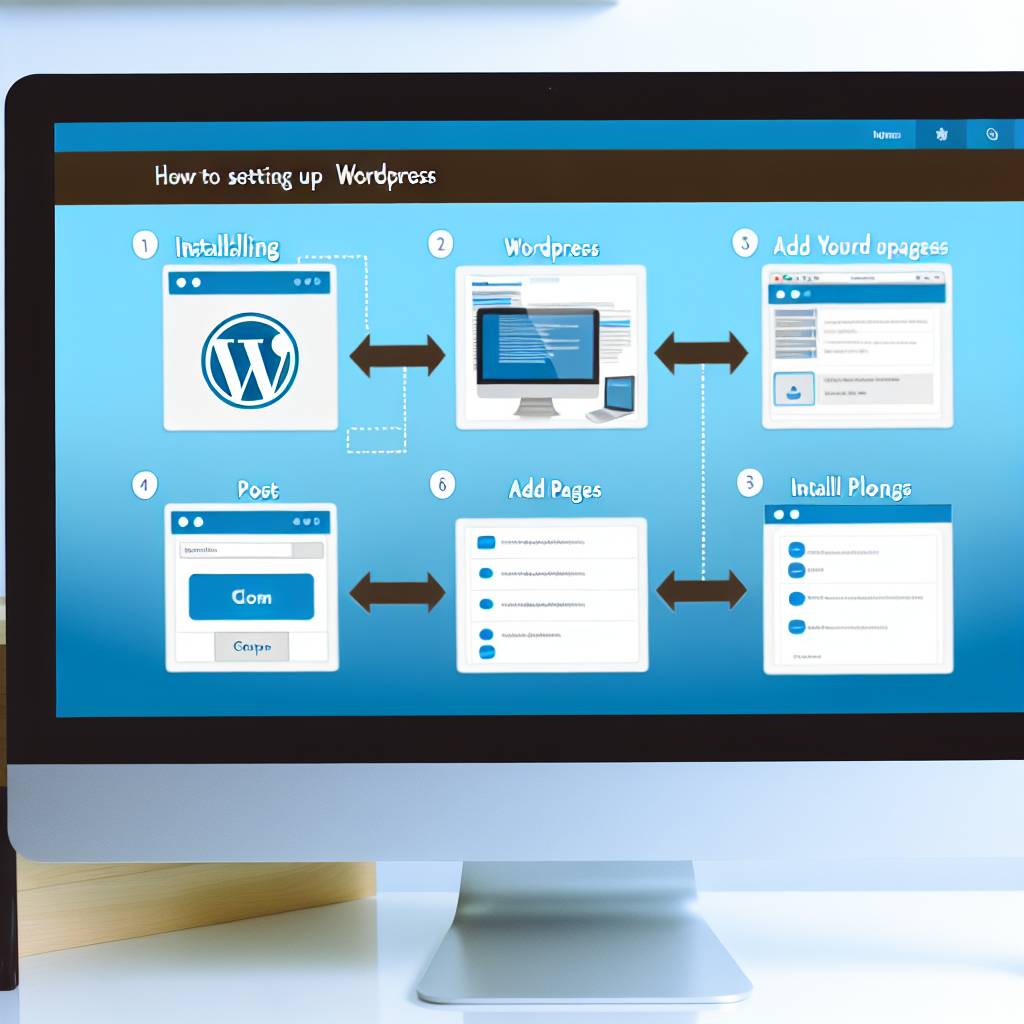
### Quick Tips for WordPress Hosting Setup
Are you looking to start a WordPress website without cPanel? You’re not alone. Many aspiring website owners find themselves seeking alternatives to traditional hosting methods, often due to limitations or preferences that steer them away from cPanel. Whether you’re a seasoned developer or a complete beginner, setting up a WordPress site without cPanel can open the door to greater flexibility and control over your web presence. In this article, we will guide you through everything you need to know, from understanding the essentials to overcoming common challenges. Let’s dive into the world of WordPress hosting without cPanel and unlock the potential of your online venture!
- Here are three possible section headlines for your article on starting a WordPress website without cPanel:
- 1. **Understanding the Basics: What You Need to Start a WordPress Website Without cPanel**
Here are three possible section headlines for your article on starting a WordPress website without cPanel:
### Quick Tips for WordPress Hosting Setup
Are you looking to **start a WordPress website without cPanel**? You’re in the right place! Many aspiring website owners face the challenge of setting up their WordPress sites without the traditional cPanel interface. In this article, we will explore alternative methods and tips to get your website up and running smoothly, all while optimizing your hosting experience. Let’s dive in!
## Understanding Your Options for Hosting WordPress
When you decide to **start a WordPress website without cPanel**, it’s essential to understand the various hosting options available to you. Here are a few alternatives:
### 1. Managed WordPress Hosting
Managed WordPress hosting providers offer a hassle-free setup that typically includes built-in performance optimizations, security features, and automatic updates. With this option, you often don’t need cPanel because the provider handles everything for you.
### 2. VPS Hosting
Virtual Private Server (VPS) hosting gives you more control over your environment without the need for cPanel. You can install WordPress manually through SSH (Secure Shell) or use a one-click installer provided by your hosting service.
### 3. Cloud Hosting
Cloud hosting platforms often come with their own management dashboards that allow you to deploy WordPress easily. Many cloud solutions offer user-friendly interfaces that eliminate the need for cPanel, making it simpler to **start your WordPress website without cPanel**.
## Step-by-Step Guide to Starting Your WordPress Website
Now that you know the different hosting options, let’s look at a simple guide to **start a WordPress website without cPanel**:
1. **Choose Your Hosting Provider**: Select a hosting provider that supports WordPress installations without cPanel.
2. **Register Your Domain**: Choose and register a domain name that reflects your brand or purpose.
3. **Install WordPress**:
– If using Managed Hosting: Follow the provider’s instructions for a one-click WordPress installation.
– If using VPS or Cloud Hosting: Use SSH to connect to your server and download WordPress directly from the official website. Follow the manual installation instructions provided by WordPress.
4. **Configure WordPress Settings**: After installation, log into your WordPress dashboard to configure your settings, including permalinks, themes, and plugins.
5. **Launch Your Site**: Once you are satisfied with your setup, publish your first post and share your website with the world!
## Benefits of Starting Without cPanel
Starting your WordPress website without cPanel can offer several advantages:
– **Increased Control**: You have more control over server resources and configurations.
– **Enhanced Security**: Some managed hosting providers offer additional security measures that can be more effective than cPanel.
– **Cost-Effective**: You might find more affordable hosting options that do not require cPanel licensing fees.
## Conclusion: Take the First Step Today!
In conclusion, you can successfully **start a WordPress website without cPanel** by exploring alternative hosting options and following a structured setup process. Whether you choose managed hosting, VPS, or cloud solutions, the possibilities are endless. Now that you have the knowledge, it’s time to take action! Visit your preferred hosting provider, choose your plan, and start building your dream WordPress website today. For more insights and tips, keep exploring our blog or subscribe to our newsletter!
1. **Understanding the Basics: What You Need to Start a WordPress Website Without cPanel**
Starting a WordPress website can seem daunting, especially if you’re unfamiliar with web hosting and management tools like cPanel. However, it’s entirely possible to start a WordPress website without cPanel, and in this article, we’ll guide you through the essentials you need for a seamless setup. Knowing the basics will empower you to launch your site effectively and take control of your online presence.
### Understanding the Basics: What You Need to Start a WordPress Website Without cPanel
1. **Domain Name**: The first step in your journey to start a WordPress website without cPanel is selecting a domain name. This is your website’s address on the internet (e.g., www.yoursite.com). Choose a name that reflects your brand and is easy to remember.
2. **Web Hosting**: Instead of cPanel, consider using hosting providers that offer alternative management interfaces like Plesk, or even WordPress-specific hosting services. Look for providers that are known for:
– **Performance**: Fast loading times and uptime reliability.
– **Support**: 24/7 customer support to help you troubleshoot any issues.
– **Easy Installation**: A one-click WordPress installation feature.
3. **WordPress Installation**: Once you’ve secured a domain and hosting, it’s time to install WordPress. Many hosting providers offer a simple installation process directly through their dashboard, even without cPanel. Follow these steps:
– Log into your hosting account.
– Navigate to the WordPress installer.
– Fill in the necessary information (site name, admin email, etc.).
– Click “Install” and wait for the setup to complete.
4. **Choose a Theme**: After installation, select a WordPress theme that suits your brand. You can find free themes in the WordPress repository or purchase premium themes from marketplaces like ThemeForest. Ensure your chosen theme is responsive and customizable, as this will impact your site’s user experience.
5. **Essential Plugins**: To enhance your website’s functionality, install essential plugins. Some must-have plugins include:
– **Yoast SEO**: For optimizing your site for search engines.
– **WooCommerce**: If you plan to sell products.
– **Wordfence Security**: To protect your site from threats.
6. **Configure Settings**: Adjust WordPress settings according to your needs. This includes setting your permalinks for SEO, enabling SSL for security, and adjusting your reading settings to enhance user experience.
7. **Backup Solutions**: Since you are not using cPanel, consider alternative backup solutions such as UpdraftPlus or BackupBuddy. Regular backups ensure your data is safe and can be restored in case of an emergency.
By understanding these essentials, you will be well-equipped to start a WordPress website without cPanel. Now, let’s move forward with building a thriving online presence!
### Conclusion
Launching a WordPress website without cPanel may seem challenging, but with the right tools and knowledge, it becomes an achievable goal. Take the time to explore your hosting options, select a theme, and install the necessary plugins to set your site up for success.
Ready to take the next step? Dive into our resources, or contact us for personalized assistance in starting your WordPress journey today!
### Quick Tips for WordPress Hosting Setup
Starting a WordPress website can be an exciting venture, but many new users often feel overwhelmed by the technical details, especially when it comes to web hosting. If you’re looking to **start a WordPress website without cPanel**, you’re in the right place. This article will guide you through the essential steps to get your site up and running without the need for cPanel, allowing you to focus more on creating great content.
—
### Understanding the Basics of WordPress Hosting
#### What is WordPress Hosting?
WordPress hosting refers to a web hosting service that is specifically optimized for WordPress websites. It often includes features like pre-installed WordPress management tools, enhanced security, and better performance.
#### Why Choose to Start Without cPanel?
While cPanel is a popular control panel for managing hosting accounts, it’s not the only option. Here are a few reasons why you might choose to **start a WordPress website without cPanel**:
– **Simplicity**: Some hosting providers offer custom dashboards that are more user-friendly.
– **Performance**: Certain platforms may deliver faster load times without the added layer of cPanel.
– **Cost-Effective**: You might find better pricing or features with providers that don’t use cPanel.
—
### Steps to Start Your WordPress Website Without cPanel
#### Step 1: Choose a Reliable Hosting Provider
Your hosting provider is crucial for your website’s performance. Here are some recommended options that allow you to start a WordPress website without cPanel:
– **Managed WordPress Hosting**: Companies like WP Engine or Kinsta specialize in WordPress and offer user-friendly dashboards.
– **VPS Hosting**: Providers like DigitalOcean or Vultr let you set up a server environment without cPanel, giving you more control.
#### Step 2: Register a Domain Name
Once you’ve selected a hosting provider, the next step is to register a domain name. Choose a name that is:
– **Memorable**: Easy to remember and type.
– **Relevant**: Reflects your brand or content focus.
– **Short**: Try to keep it concise.
#### Step 3: Install WordPress
Most hosting providers offer a one-click WordPress installation option. Here’s how to do it without cPanel:
1. **Log into your hosting dashboard**.
2. **Navigate to the application installer** (this varies by host).
3. **Select WordPress** and follow the prompts to complete the installation.
Alternatively, if your provider doesn’t offer one-click installation, you can manually upload WordPress files via FTP. This involves:
1. Downloading WordPress from the official website.
2. Uploading the files to your server using an FTP client.
3. Creating a MySQL database and user for WordPress.
4. Completing the installation by following the on-screen instructions.
#### Step 4: Configure Your WordPress Settings
After installation, you’ll want to:
– **Choose a Theme**: Pick a responsive and visually appealing theme that aligns with your brand.
– **Install Essential Plugins**: Consider using plugins for SEO, security, and performance optimization. Some popular choices include Yoast SEO, Wordfence Security, and WP Super Cache.
—
### Conclusion
Starting a WordPress website without cPanel may seem challenging at first, but with the right hosting provider and a clear plan, it’s entirely feasible. By following the steps outlined in this article, you can set up your site efficiently and start focusing on what really matters—creating valuable content for your audience.
Ready to take the plunge? Don’t wait any longer! Start your WordPress website without cPanel today and unlock the potential of your online presence. For more tips and detailed guides, be sure to explore our resources or contact us for personalized assistance!